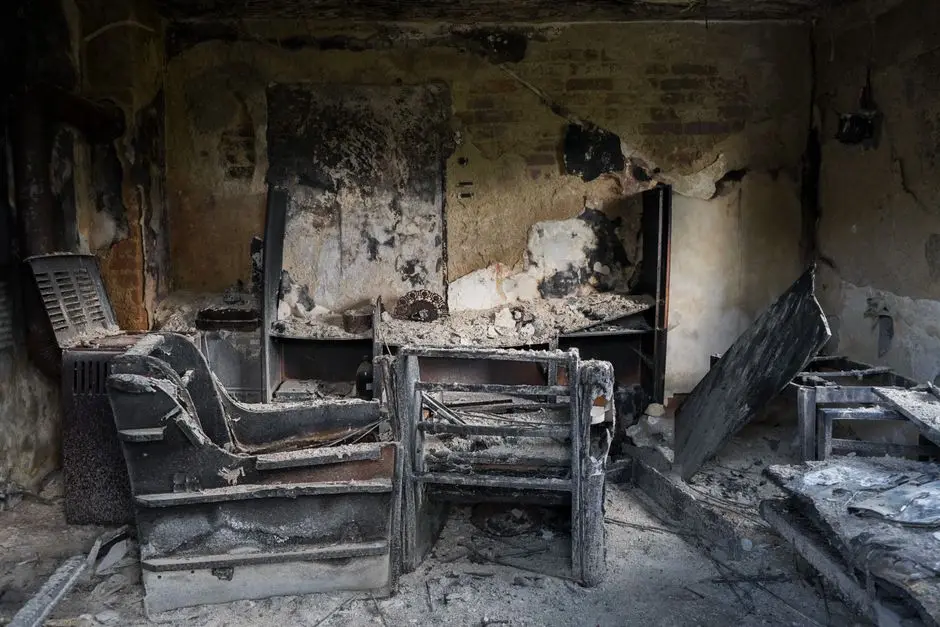
You can remove soot from walls after a small fire by dry-cleaning the surface first with a HEPA vacuum and a chemical sponge, then washing with a mild degreaser or dish soap solution, and finally rinsing and drying the wall completely. Soot is acidic and oily, so the dry step must come before any water touches the wall. This guide walks you through the exact sequence we use in Montrose, California, including what to use on painted drywall, what to avoid, and when the job is bigger than a bucket and a sponge.
Why soot sticks to walls and why speed matters
Soot is a mix of carbon particles, oils, and acidic gases that condense onto cool surfaces during a fire. On walls, it bonds to paint and drywall primer like a greasy film, which is why a dry paper towel just smears it around. The longer it sits, the more it etches into the paint and the harder it is to remove without repainting.
In Montrose, we see this especially in older homes where original oil-based paint and plaster walls hold onto soot longer than modern latex. The Uncompahgre Valley's dry air also pulls moisture out of drywall quickly, which can bake the soot in. If you can start cleanup within 24 to 48 hours, you have a much better chance of saving the paint. After 72 hours, the residue often stains permanently.
Soot also carries a strong odor. Even after the visible film is gone, the smell lingers in the wall cavity and insulation. That's why Odor Removal After Fire in MONTROSE, California is often the second call we get after a kitchen or electrical fire.
What you need before you start
Gather your supplies before you touch the wall. You'll need a HEPA vacuum with a brush attachment, chemical sponges (also called soot sponges), rubber gloves, safety glasses, and a respirator rated N95 or higher. For washing, use a mild dish soap like Dawn, a bucket of warm water, and microfiber cloths. Have a second bucket of clean water for rinsing.
You'll also want plastic sheeting to protect the floor and any furniture you can't move. Soot particles are fine enough to travel through the house if you disturb them with a dry cloth or a standard vacuum. A HEPA vacuum traps those particles; a shop vac without a HEPA filter just blows them back into the air.
If the fire was in the kitchen, check the range hood and cabinets before you start on the walls. Grease mixed with soot is a different problem and needs a degreaser. For those jobs, our Kitchen Fire Cleanup in MONTROSE, California team uses a two-step process because standard soot sponges won't cut through cooked-on grease.
How do I remove soot from walls after a small fire in Montrose, California?
The answer is a three-stage process: dry removal, wet washing, and thorough drying. Skipping the dry stage is the most common reason DIY soot cleanup fails. Here's the sequence.
Step 1: Dry removal with a HEPA vacuum and soot sponge
Start at the top of the wall and work down. Use the brush attachment on the HEPA vacuum to lift loose soot without pressing it into the paint. Then take a chemical sponge and wipe in one direction, turning the sponge to a clean face often. Don't scrub back and forth; that grinds the soot into the surface. When the sponge gets loaded, cut off the dirty edge or grab a new one.
Step 2: Wash with a mild degreaser
Mix one tablespoon of dish soap into a gallon of warm water. Dampen a microfiber cloth, wring it out so it's not dripping, and wipe the wall in sections. Rinse with a clean damp cloth before the soap dries. Change your water every few minutes; dirty water just redeposits soot. For painted walls, test a small spot first to make sure the paint doesn't lift.
Step 3: Dry the wall completely
Use a fan or a dehumidifier to dry the wall within a few hours. Trapped moisture behind paint leads to bubbling and mold. In Montrose's dry climate, a box fan on low for two to three hours is usually enough for a small area. If the drywall feels soft or the paint bubbles, stop and call a pro; that's a sign water or heat damage went deeper than the surface.
If you're dealing with a larger area or the soot has been sitting for more than a few days, our Soot Removal in MONTROSE, California service uses commercial-grade sponges and HEPA equipment that gets better results than consumer tools.
What removes soot from painted walls in Montrose?
For painted walls, the safest cleaner is a mild dish soap solution or a product labeled for soot and smoke residue. Trisodium phosphate (TSP) works on tough stains but can dull semi-gloss and flat paint, so use it only on a test patch first. Avoid abrasive cleaners, bleach, and ammonia; they can set the stain or damage the paint.
If the paint is flat or matte, soot tends to embed deeper and may not come out completely. In that case, you're looking at a stain-blocking primer and a fresh coat of paint. Oil-based or shellac-based primers seal the soot so it doesn't bleed through the new paint. Latex primer won't do it.
We see a lot of painted plaster walls in the Fire Damage Restoration in Montrose Historic District area, and those need a gentler touch than modern drywall. Plaster is porous and can crumble if you scrub too hard. Use a soft sponge and light pressure.
Does vinegar remove soot from walls in Montrose, California?
Vinegar can help with light soot on non-porous surfaces like tile or metal, but it's not the best choice for painted drywall. The acetic acid can dull paint and doesn't cut through the oily component of soot as well as a degreaser. If you want to try it, mix equal parts white vinegar and water, test a hidden spot, and rinse thoroughly. For most walls, dish soap and water outperform vinegar.
Save the vinegar for glass, chrome, or appliance surfaces after you've removed the bulk of the soot. And never mix vinegar with bleach; that creates chlorine gas.
Common mistakes that make soot damage worse
The biggest mistake is wiping with a dry rag before vacuuming. That pushes soot into the paint and spreads it to clean walls. The second is using too much water; soaking the drywall can cause it to swell and mold. The third is skipping the rinse step, which leaves a soap film that attracts new dirt.
- Using a regular vacuum. It blows fine soot back into the air. Use a HEPA vacuum only.
- Scrubbing hard. Soot is abrasive; scrubbing dulls paint and can tear paper-faced drywall.
- Ignoring the ceiling and trim. Soot travels upward and settles on ceilings, crown molding, and baseboards. Clean top-down.
- Turning on the HVAC. Running the central air or furnace without changing the filter first recirculates soot through the house. Change the filter and seal the vents before you start.
If the fire was electrical, the soot may contain melted plastic residue that's stickier than typical wood-smoke soot. Our Electrical Fire Cleanup in MONTROSE, California team handles those with solvents matched to the residue type.
When to call a professional
Call a professional if the soot covers more than about 100 square feet, if it's been sitting for more than a week, or if you smell smoke in rooms far from the fire. Those are signs the soot has penetrated the wall cavity, insulation, or HVAC system. DIY cleaning won't reach those areas, and the odor will keep coming back.
You should also call us if you see charring, bubbling paint, or soft drywall. Those indicate heat or water damage that needs structural repair, not just cleaning. We handle Fire Damage Clean Up in MONTROSE, California from the initial soot removal through patching, priming, and painting, so you're not coordinating three different contractors.
For a small, contained fire in one room, DIY is reasonable. For anything larger, the cost of a professional cleanup is usually less than the cost of repainting walls that were cleaned incorrectly. Typical 2026 pricing in this area for soot removal on a single room runs $400 to $1,200, depending on square footage and whether odor treatment is included.
Frequently Asked Questions
How do I remove soot from walls after a small fire in Montrose, California?
Vacuum loose soot with a HEPA vacuum, wipe with a chemical sponge, then wash with a mild dish soap solution and rinse. Dry the wall completely within a few hours. Start within 24 to 48 hours for the best chance of saving the paint.
What removes soot from painted walls in Montrose?
A mild dish soap and warm water solution works on most painted walls. For tougher stains, use a soot-specific cleaner or TSP on a test patch first. Flat paint may need a stain-blocking primer and repaint because soot embeds too deep to wash out.
Is soot removal a DIY job in Montrose, California?
It's DIY-friendly for small areas under about 100 square feet with no charring or odor spread. If the soot covers multiple rooms, has been sitting for over a week, or you smell smoke in other parts of the house, call a professional.
Who does soot cleanup near me in Montrose?
Fire Damage Restoration Montrose handles soot cleanup, odor removal, and structural repair throughout Montrose and the surrounding areas. We use HEPA equipment and commercial-grade sponges, and we can usually assess the damage the same day you call.
Does vinegar remove soot from walls in Montrose, California?
Vinegar can help on tile or metal, but it's not ideal for painted drywall because it can dull the finish. A dish soap solution is safer and more effective for most wall surfaces. Always test a hidden spot first.
Get help with Fire Damage Restoration in Montrose
If the soot is more than you want to tackle alone, or if you're not sure whether the damage goes deeper than the surface, call us. We'll look at the walls, the ceiling, and the HVAC system and tell you what actually needs cleaning versus what needs repair.
Call Fire Damage Restoration Montrose at (833) 929-6186. We serve homeowners and renters across Montrose, including Fire Damage Restoration in South Montrose and the surrounding neighborhoods, and we can usually get someone out the same day.